



Do cats like music?
Cats experience sound very differently from humans, which means the music we love isn’t always what they enjoy. So, what music do cats like, and are there any benefits to playing music for them?
The science
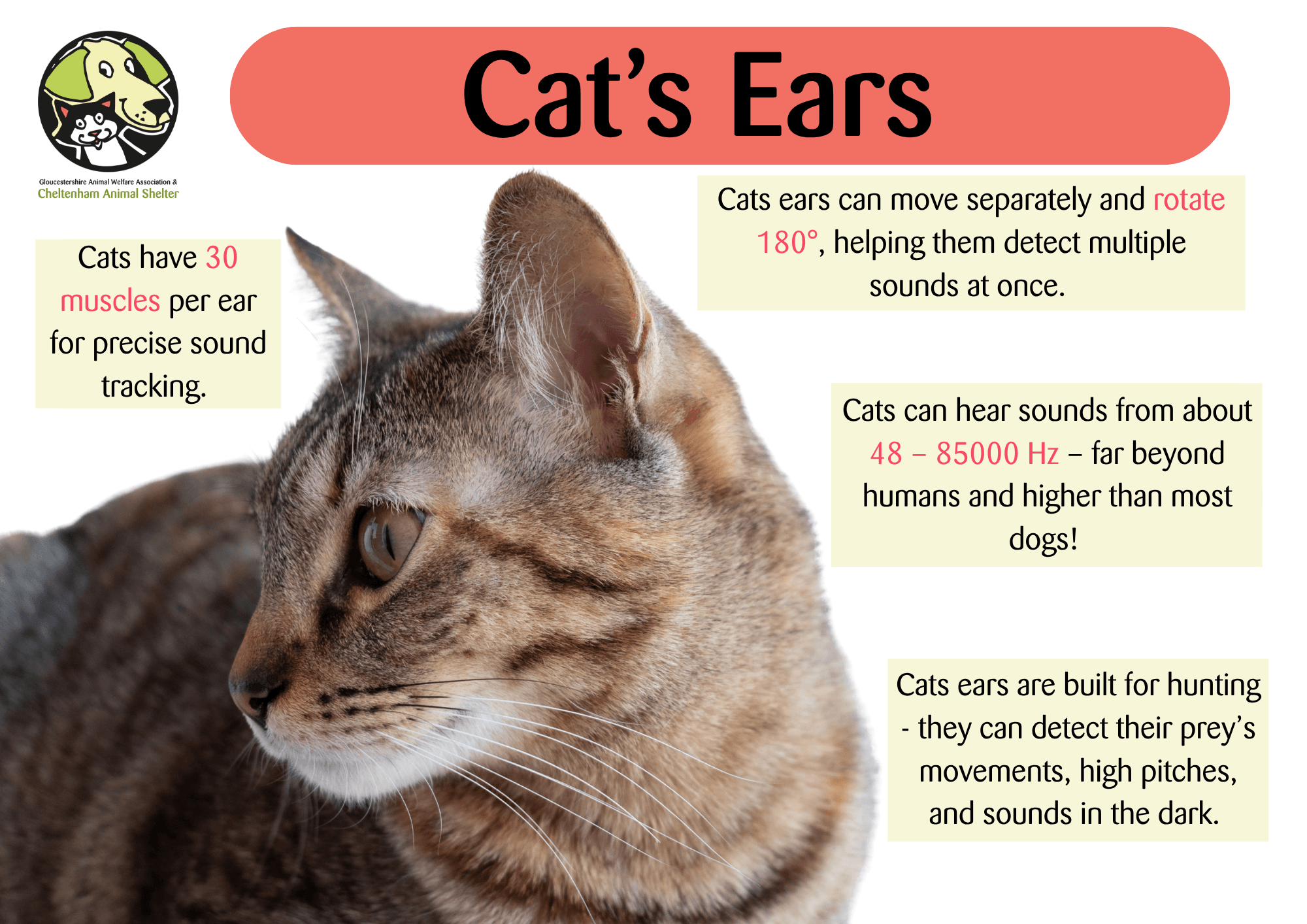
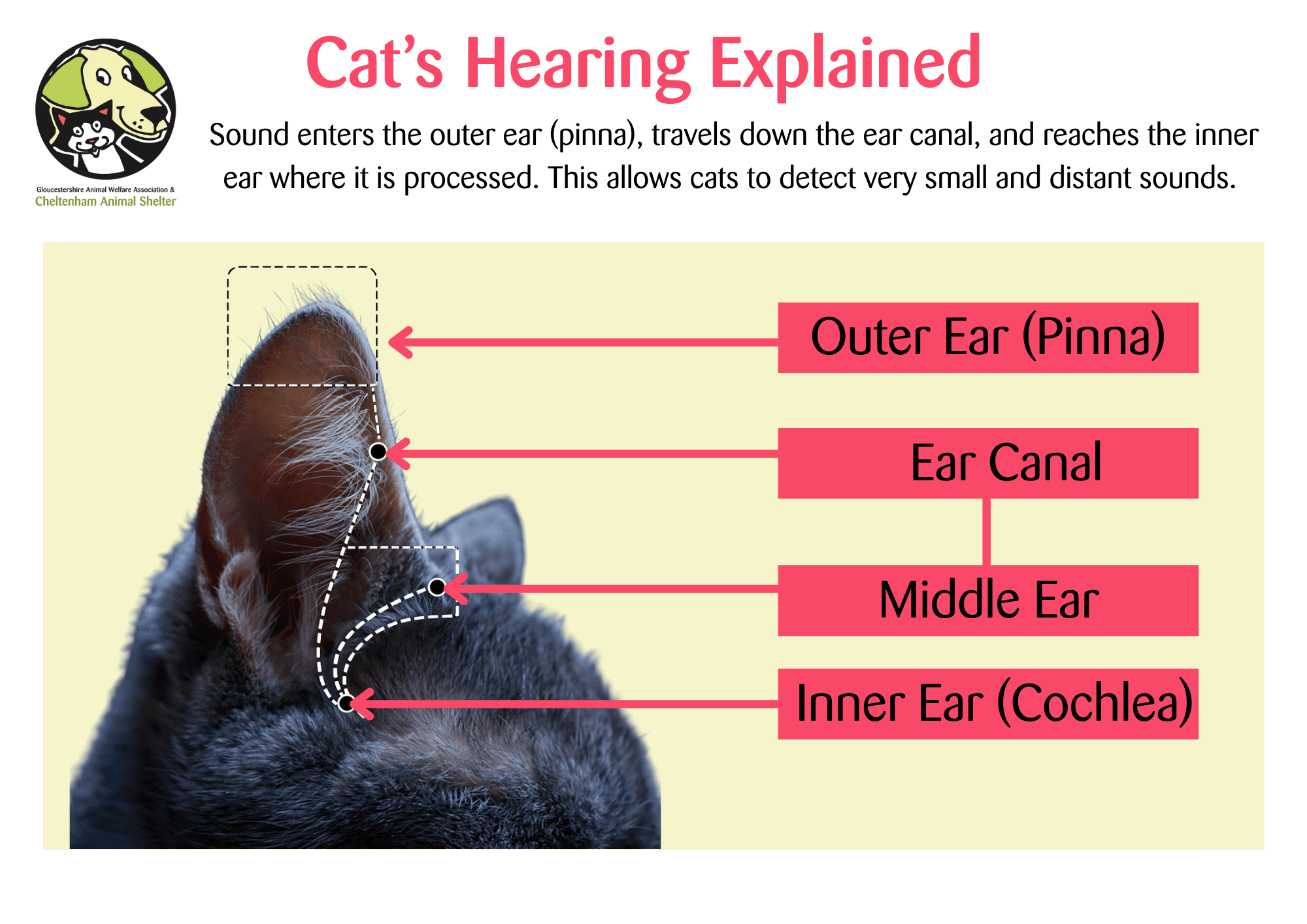
A cats hearing is incredible. They have one of the broadest hearing ranges amongst mammals – including both humans and most dogs! Their ears can move independently, which allows them to pinpoint exactly where different sounds are coming from.
Cats hear very differently to us and can hear both low and high pitches. The shape of their skulls, and the size of their ears allows them to detect high-frequency sounds, which is useful for locating prey, like rodents.
Scientists have also found that cats have a part in their ears that may help them detect lower sounds than expected, extending their hearing range by an extra octave.
What music do cats like?
Due to their sensitive hearing, cats respond to tempos and frequencies, meaning the speed and pitch of music can strongly influence how they react. Calmer, slower sounds may help your cat relax, while loud or fast music may cause stress.
Purr-fect music for your cat can include:
- Soft classical music
- Special cat-specific compositions
- Nature sounds such as, birds singing or rustling leaves.
- Ambient or calming soundscapes
Like us, cats have their own individual music preferences. How your cat reacts to music will help you understand whether they are enjoying it.
Once you have discovered your cat’s musical taste, why not build your cat their own playlist? This could include calm piano tracks, slow string music, or cat-specific tracks.
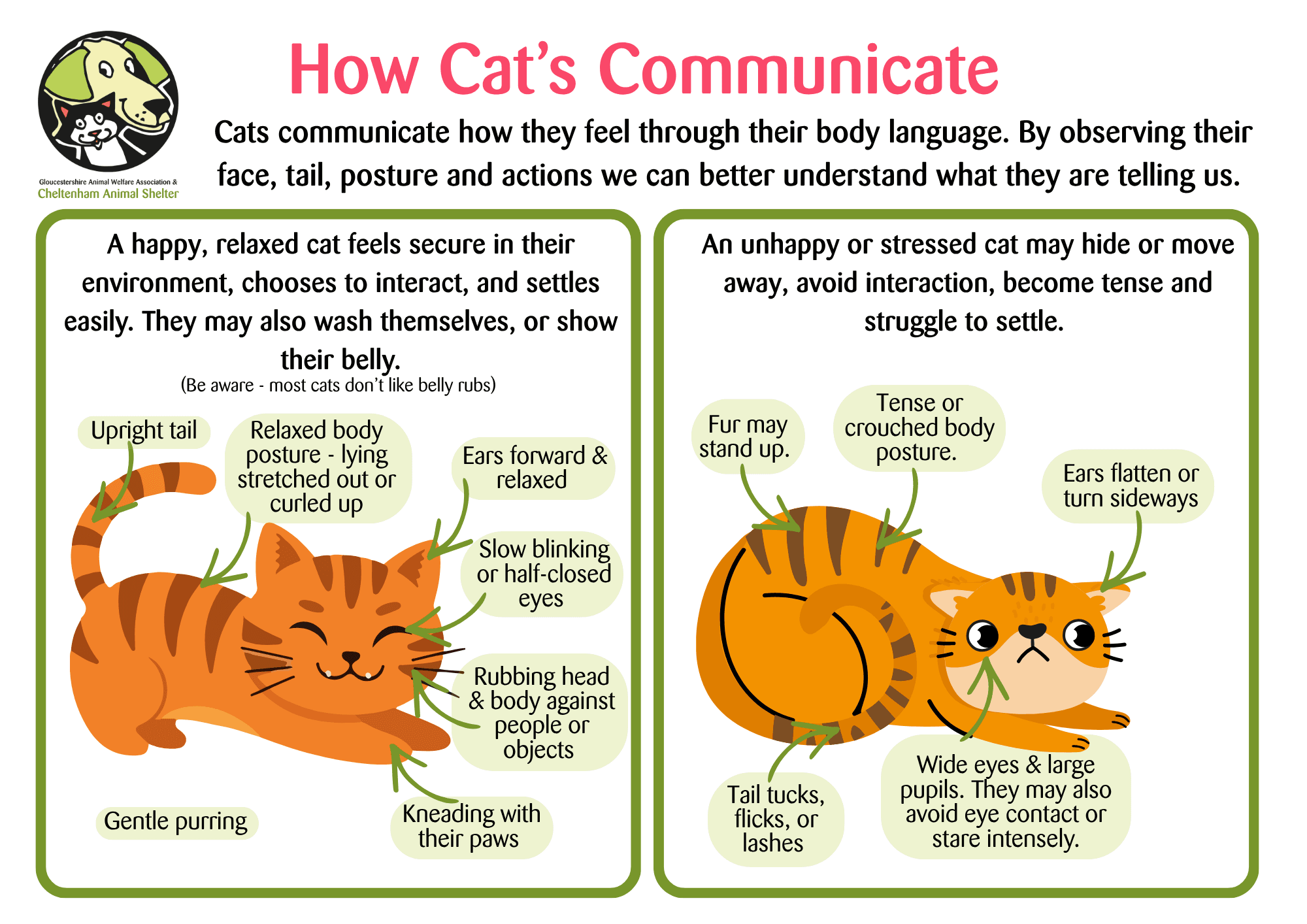
Signs your cat is enjoying the music:
- Lying down comfortably or curling up nearby
- Slow blink or half-closed eyes
- Tilting their head slightly
- Tucked paws or relaxed stretching
- They fall asleep – a cat will not usually fall asleep if they are feeling unsure.
Signs your cat is not enjoying the music:
- Walking away as soon as the music starts
- Avoiding the area
- Flicking, lashing, or tense tail movements
- Constant ear twitching or ears pinned back
- Restless and not settling
How does music affect cats?
- The rhythm of music may help lower a cat’s heart rate and help them feel calm.
- Familiar frequencies can also provide them with comfort and reassurance
- Music can help reduce stress and create a more relaxed environment
Music can be a great tool to help your cat in different situations, such as, while you are away from home, vet visits, or at bedtime. It can also to help them cope with stressful changes like fireworks, moving home, or a new arrival in the home.
Im-paw-tant health and safety
Whilst cats can enjoy music, it should always be played at a low volume. Cats have sensitive ears, so loud sounds may cause stress. They also dislike sudden changes in sound, so this should be kept in mind when choosing music for your cat. It’s important to never force a cat to listen to music – our pets should always have space and choice in every situation.
Just like us, all our cats are different and will have their own musical preferences and they may not always feel like listening to music. Paying attention to your cat and their reactions is the key to finding their purr-fect sound, which can help them relax and unwind.
